
The Flip
The Flip is an editorial-style podcast that explores contextually relevant insights from entrepreneurs and investors who are changing the status quo in Africa. The show's name reflects its mission to flip the script on persistent narratives about entrepreneurship, challenge the dominance of Silicon Valley thought leadership, and champion African-built futures. It is produced and hosted by Johannesburg-based entrepreneur and American expat Justin Norman, with Sayo Folawiyo serving as executive producer and b-mic.
Episodes

What China Taught Me About Global Trade
China's manufacturing scale has no historical precedent. $3.8 trillion in exports in 2025. A $1.2 trillion trade surplus — the largest any country has ever recorded. China is the top import partner for roughly 40% of the world's countries.The West's response has been tariffs. And China now trades 50% more with the Global South than with the US and Europe combined. But trade grew faster

What Vietnam’s Gold Shops Taught Me About Money
Vietnam is one of the fastest-growing economies in the world. But its currency, the Dong, devalues 3-5% per year to support its export-oriented growth. When the price of gold rises, Vietnamese people queue for hours to buy more. Vietnam is fourth in global crypto adoption, with volumes around $200 billion, and the government just banned global exchanges from operating in the country. What's go

How to Fund a Hospital in a Warzone
In Northwest Syria, a critical network of hospitals faces a unique challenge: how do you pay medical staff and fund healthcare when your country is completely cut off from the global financial system?Due to economic sanctions and a fractured banking infrastructure following over a decade of civil war, humanitarian organizations like the Union of Medical Care and Relief Organizations (UOSSM) have s
Inside Africa's $16 Billion Waste Economy
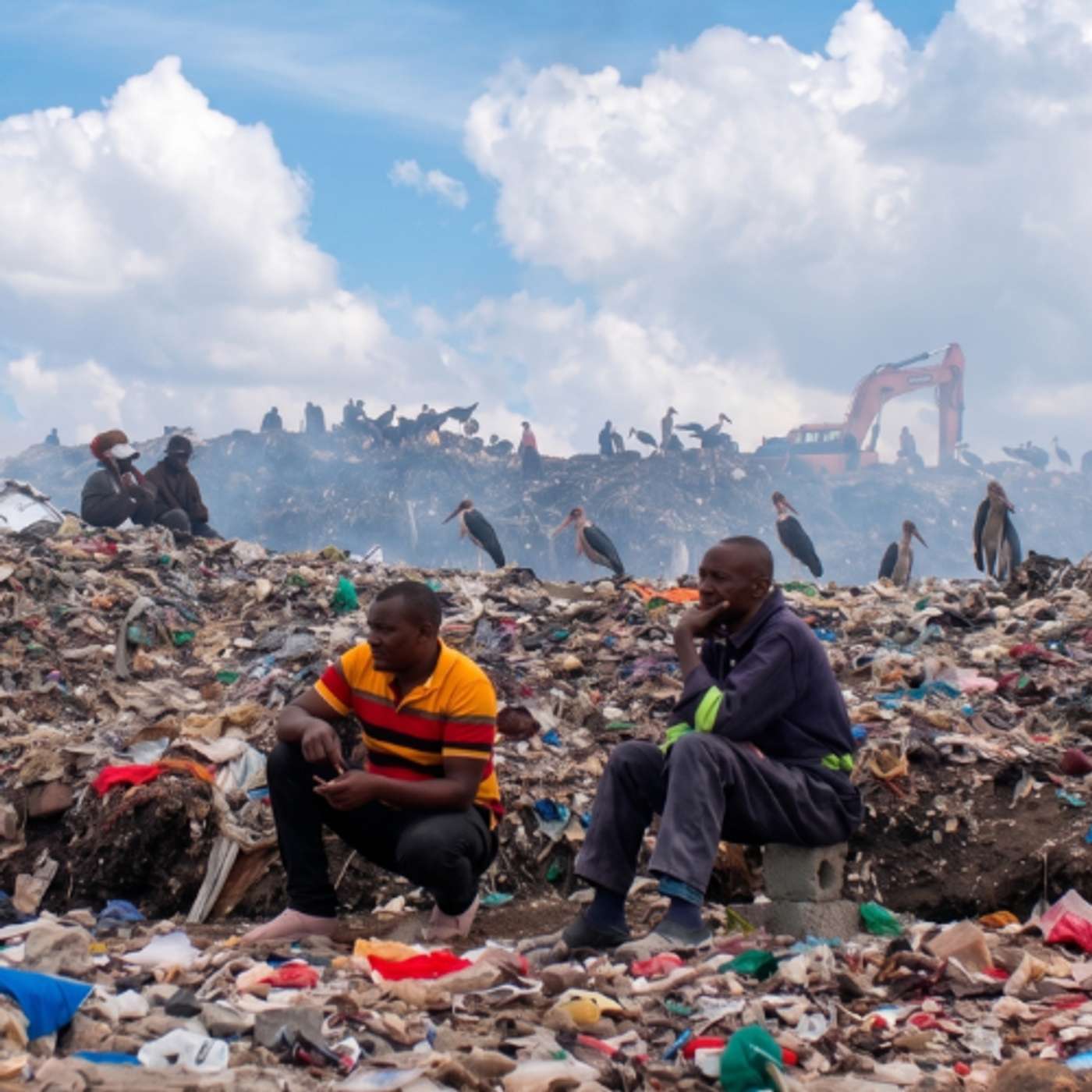
Drive through cities in Africa and you’re likely to see a waste problem. In the streets, the sewage, in the waterways…540 million tons of waste goes uncollected every year across sub-Saharan Africa. It's a $16 billion opportunity. But much of the infrastructure is still missing. What would it actually take to build it at scale?In Nigeria, a company called Scrapays is paying people to collect it. I

I Went to Nigeria to Explore How Global Trade Really Works
In Lagos' Computer Village, Nigeria's largest electronics market, everything is imported from China. But how merchants access dollars and pay their suppliers is a challenge.Nigeria imports $20 billion from China every year, yet dollar access problems and legacy banking systems create friction for those doing global trade. So how do countries like Nigeria and China trade with each other?In

Why Getting Paid Costs More in Emerging Markets
If you're a freelancer or a remote worker from the global south, you likely have a harder time getting paid and participating in the global economy. Maybe a global payments company doesn't operate in your country. Maybe they banned your account or froze your funds. Remote workers and freelancers from emerging markets often have to jump through hoops to get paid, incurring additional costs along th

I Went to Bolivia Where Businesses Survive on Stablecoins
Bolivia is facing a severe economic crisis. The country is literally running out of dollars. Their foreign reserves have collapsed from $15 billion a decade ago to just $50 million today. In June 2024, Bolivia legalized cryptocurrencies, and digital asset transaction volume exploded - growing over 500 percent in the past year.To participate in the global economy, businesses are turning to stableco

Inside Argentina's $300 Billion Parallel Economy
Argentina's decades-long economic crises and hyperinflation has a major impact on how Argentine's participate in the economy.The recent story that's been told about Argentina is that people are adopting stablecoins to protect against inflation and currency devaluation. But that's only part of the story...The real story involves long-standing distrust of government and the banks, and overbearing ta

What If You Could Send Money Across Borders as Fast as a Text?
This year, $160 billion in remittance payments will be sent from the US to Latin America. $65 billion will be sent from the US to Mexico, the world's largest remittance corridor. Yet, the majority of payments will be sent via brick-and-mortar stores like Western Union or Moneygram. The future of payments is already here, yet most people are queuing in line, paying in cash, taking a photo of their
NBA Africa's Biggest Success | The Khaman Maluach Story
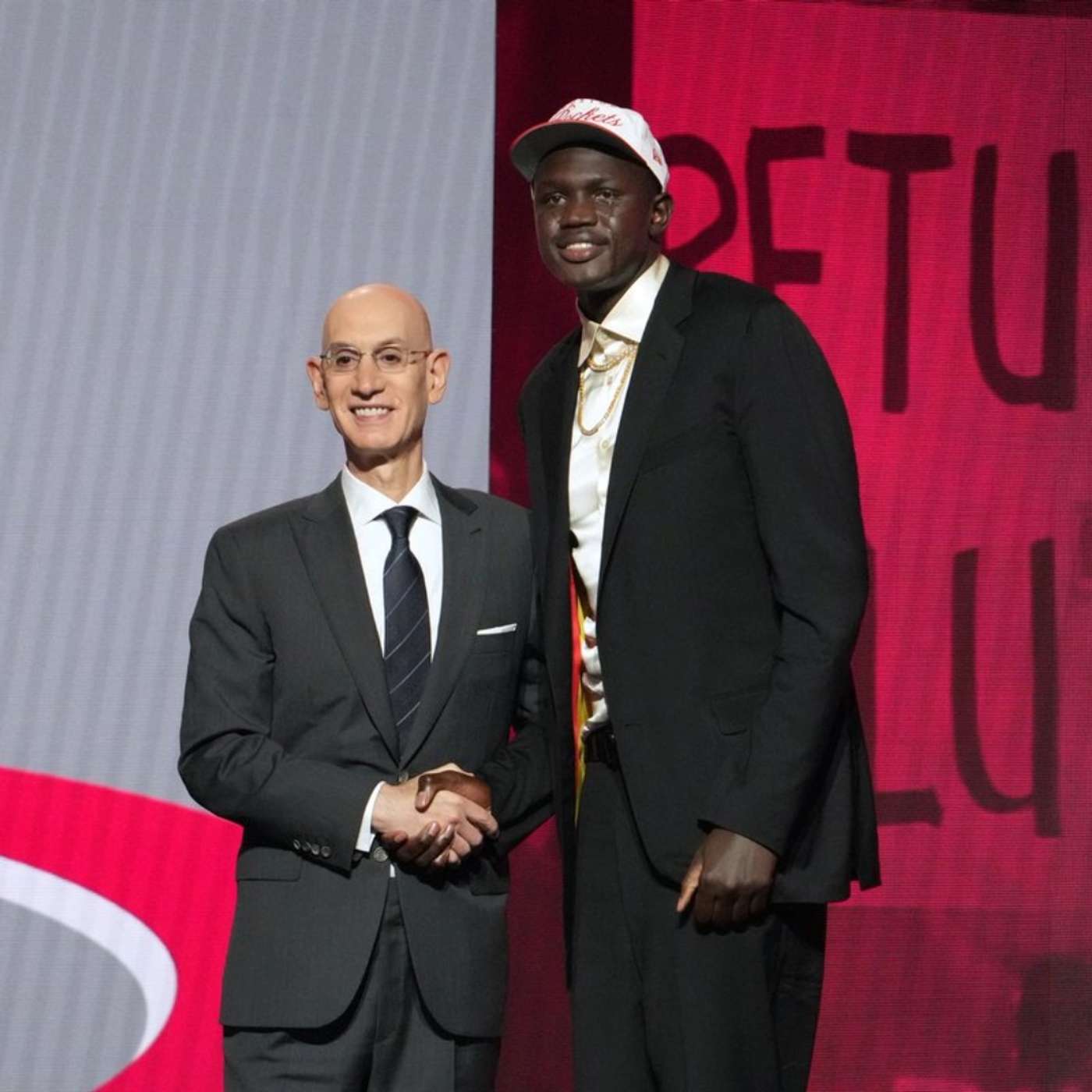
Watch this episode on YouTube: https://youtu.be/qoA105xnIpUKhaman Maluach was just drafted 10th overall in the NBA Draft. He’s a South Sudanese refugee who grew up in Uganda and only started playing basketball when he was 13 years old. After first playing the game at Luol Deng’s basketball camp, Maluach played at the NBA Academy in Senegal, and played three seasons in NBA Africa’s Basketball Afric

The Real Reason People Are Using Stablecoins
Watch this episode on YouTube.2025 is the year of stablecoins. Transaction volumes have grown to over $33 trillion in the past 12 months. The top Dollar-denominated stablecoins are the 17th largest holder of US treasuries globally. Tether, issuer the largest stablecoin by volume, USDT, announced $13 billion in net profit in 2024. Circle, the USDC issuer, is going public.But what got the hype train

Why the NFL is Bringing American Football to Africa
There are 1,696 active players in the NFL. Just 138 are African. But if it were up to Osi Umenyiora, 11-year veteran and 2-time Super Bowl Champion, there would be many more. Osi is the Founder of The Uprise, the NFL's lead in Africa, and he's pioneering American football on the African continent. At the NFL's camp in Lagos, Nigeria, young athletes are vying for a shot to join the NFL Academy in L

How We're Helping African Farmers Grow
Farming is the number one source of employment in Africa, yet its agricultural productivity is the lowest of any region in the world. The opportunity is immense—60% of the world’s uncultivated arable land is on the continent—but rural communities are suffering from a lack of economic opportunity.So young Africans are building innovative solutions to tackle the problems that are impacting their fam
What We Get Wrong About Climate Financing
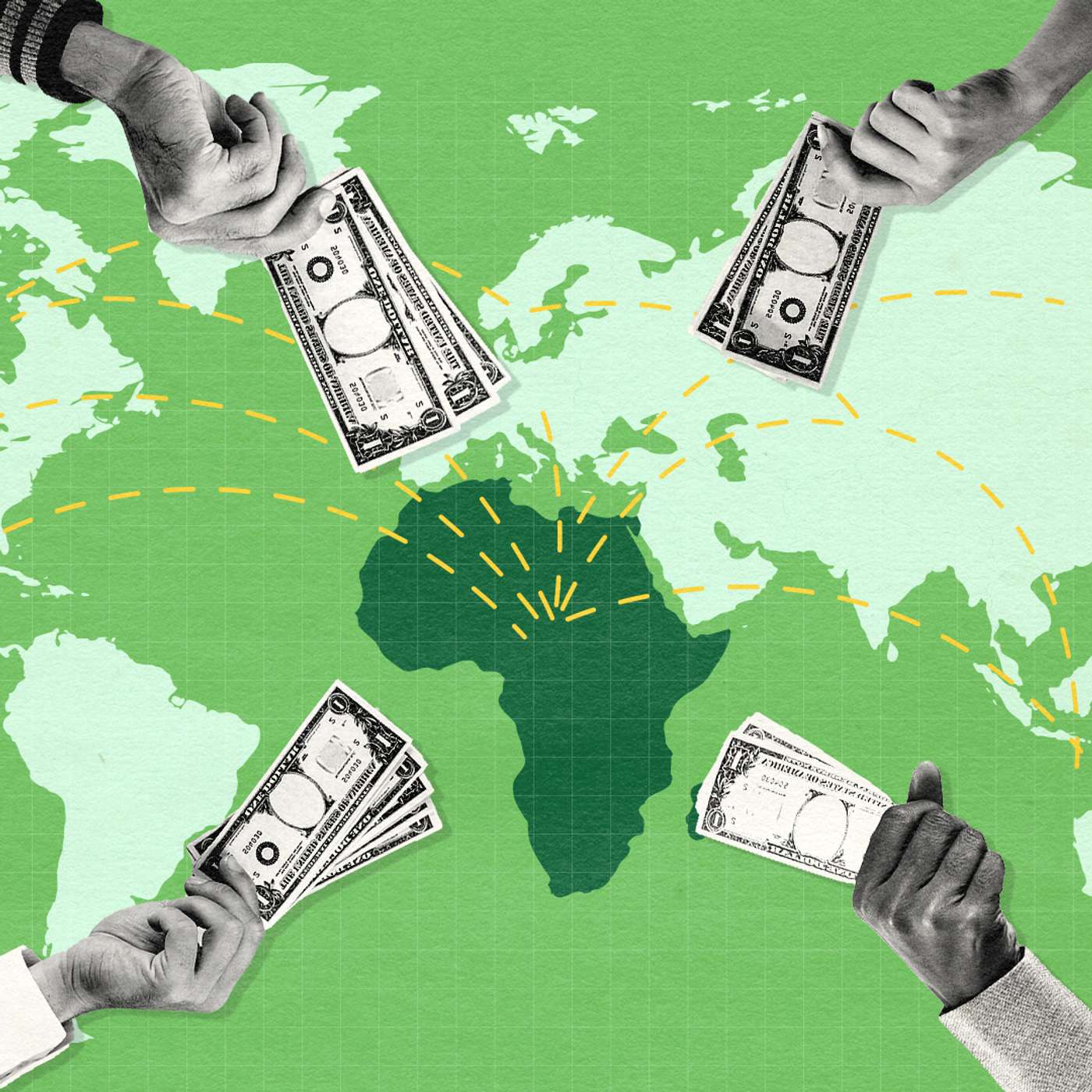
Reports suggest that climate change is set to cost the global economy $38 billion per year by 2049. Emerging markets need close to $2.4 trillion per year by 2030 to meet the climate goals. That's 4 times what is currently invested. But high capital costs are stalling clean energy investment across Africa. If you want to build a renewable energy project in Sub-Saharan Africa, the weighted average c

Can Solar Power Solve Nigeria's Energy Crisis?
Nigeria’s energy crisis has persisted for decades. Africa's largest country is largely powered by fuel generators. They're noisy, dirty, and bad for the environment. But they also provide power to millions of people in a country with an unreliable grid. The removal of Nigeria's long-standing fuel subsidy in 2023 caused the price of fuel to quadruple, leaving Nigerian consumers searching for option
How Africa’s Green Industries Could Save the Planet
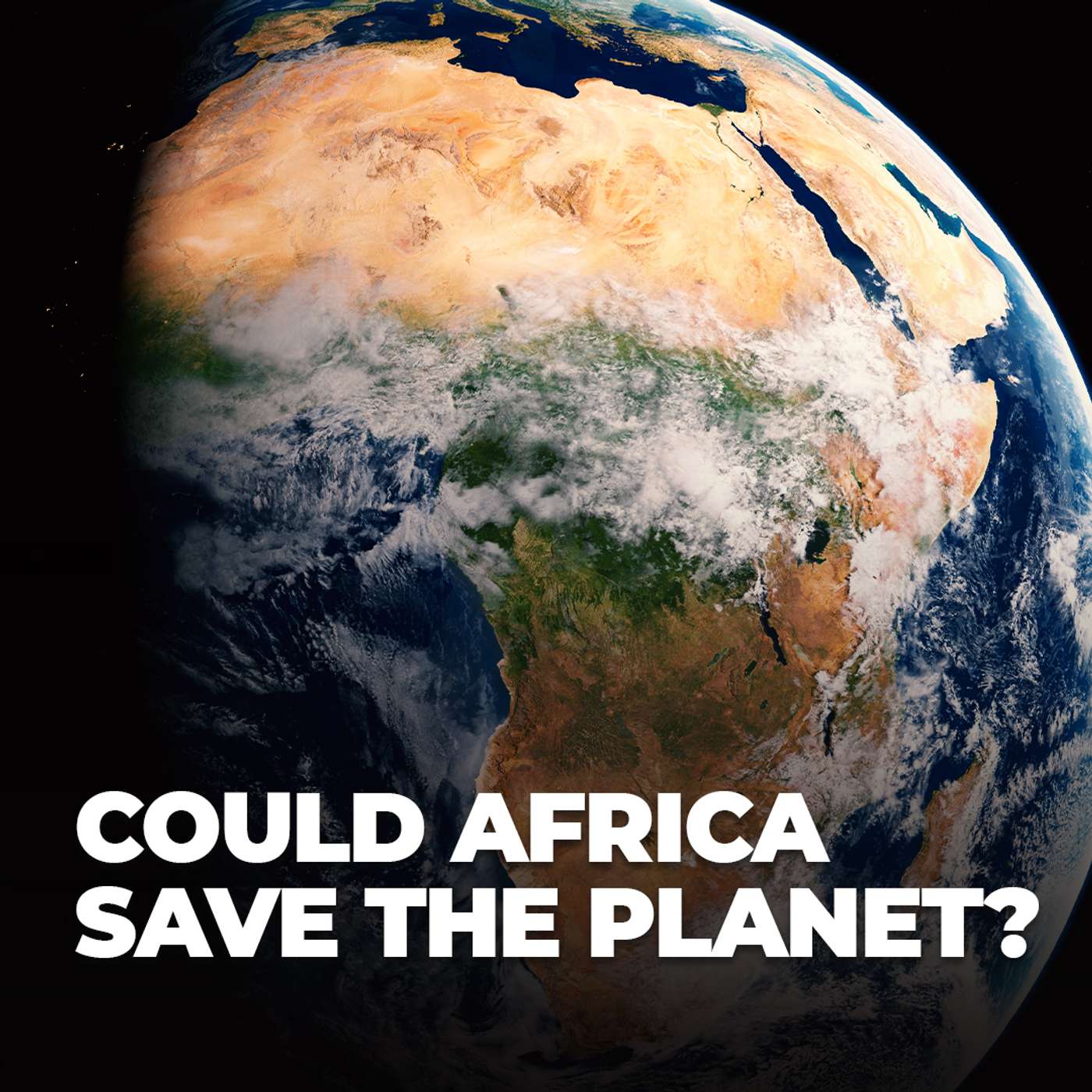
Can Africa be a leader in the global fight against climate change? While the continent has contributed just 3 percent to global carbon emissions, it is the most impacted by climate change. But it also has a range of natural endowments that leave it well-positioned to build green industries that will have a positive economic impact locally and can play a significant global role in getting to net ze
This Funding Model is Helping Fight Climate Change
These climate investors are funding climate startups using a hands-on venture-building model to support founders across Africa. In this episode, we’re joined by James Mwangi from Africa Climate Ventures, Maxime Bayen from Catalyst Fund, and Lyndsay Holley Handler from Delta40.We discuss why African ventures and climate startups, in particular, benefit from the venture building model; the limitatio
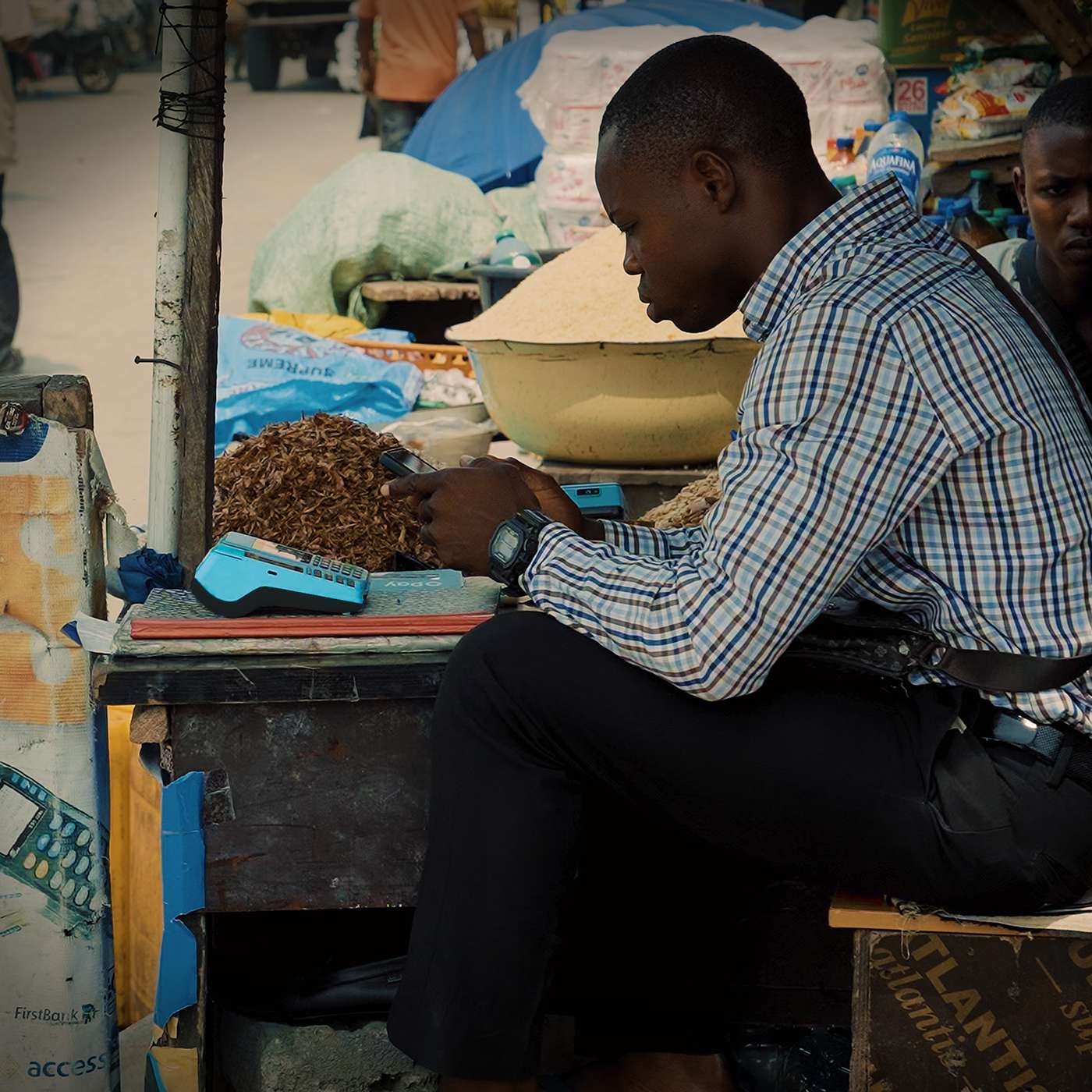
How Moniepoint Powers Millions of Businesses Across Nigeria
There are millions of Moniepoint point-of-sale terminals in use across Nigeria. These point-of-sale devices power Nigeria’s offline economy, and while there are many competitors in this space, Moniepoint appears to beating them all. How did they do it? How did Moniepoint grow so quickly? And why has it become the preferred choice for agents and merchants across Nigeria?In this episode, we hit the
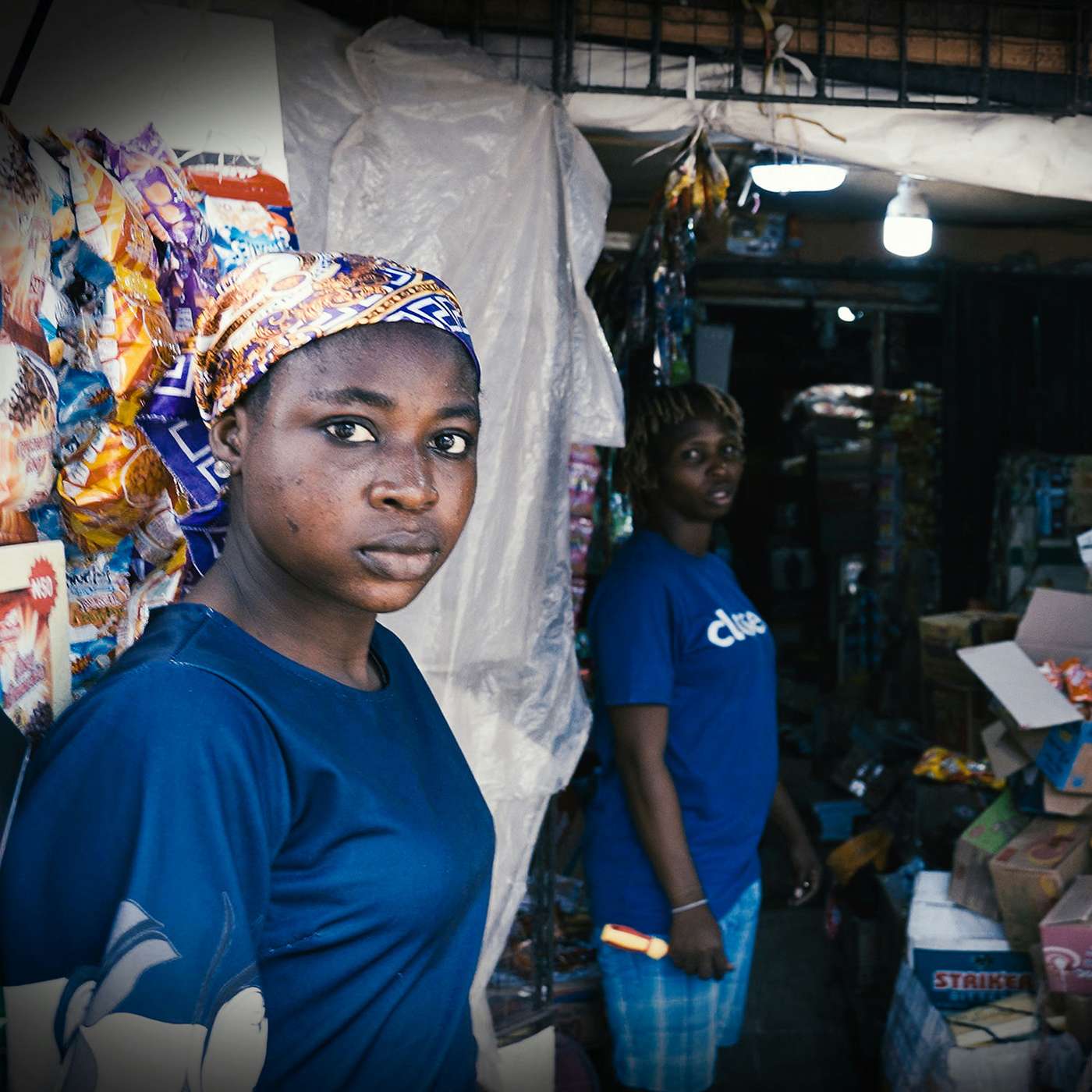
How Africa's Fastest Growing Company is Helping Retailers Grow
Small retailers in Nigeria power the economy. But they’re going through some tough times. Devaluation, food inflation, and overall poor economic conditions have made it especially hard for these small businesses to operate.To better understand how retail works, and how these small businesses can grow, we hit the streets of Lagos with Deepankar Rustagi, CEO of OmniRetail.OmniRetail was ranked Afric
An African Tech Exit - Selling Sendwave for $500 Million
One of the African tech ecosystem's largest exits was the 2020 sale of Sendwave to WorldRemit for $500 million. Sid Sridhar was Sendwave's Head of Business at the time, and in this episode, Sid shares his M&A lessons for the African tech ecosystem.Sid is now the Head of Business at Wave, the mobile money company spun out of Sendwave that's competing head-on with the telcos in Francophone West
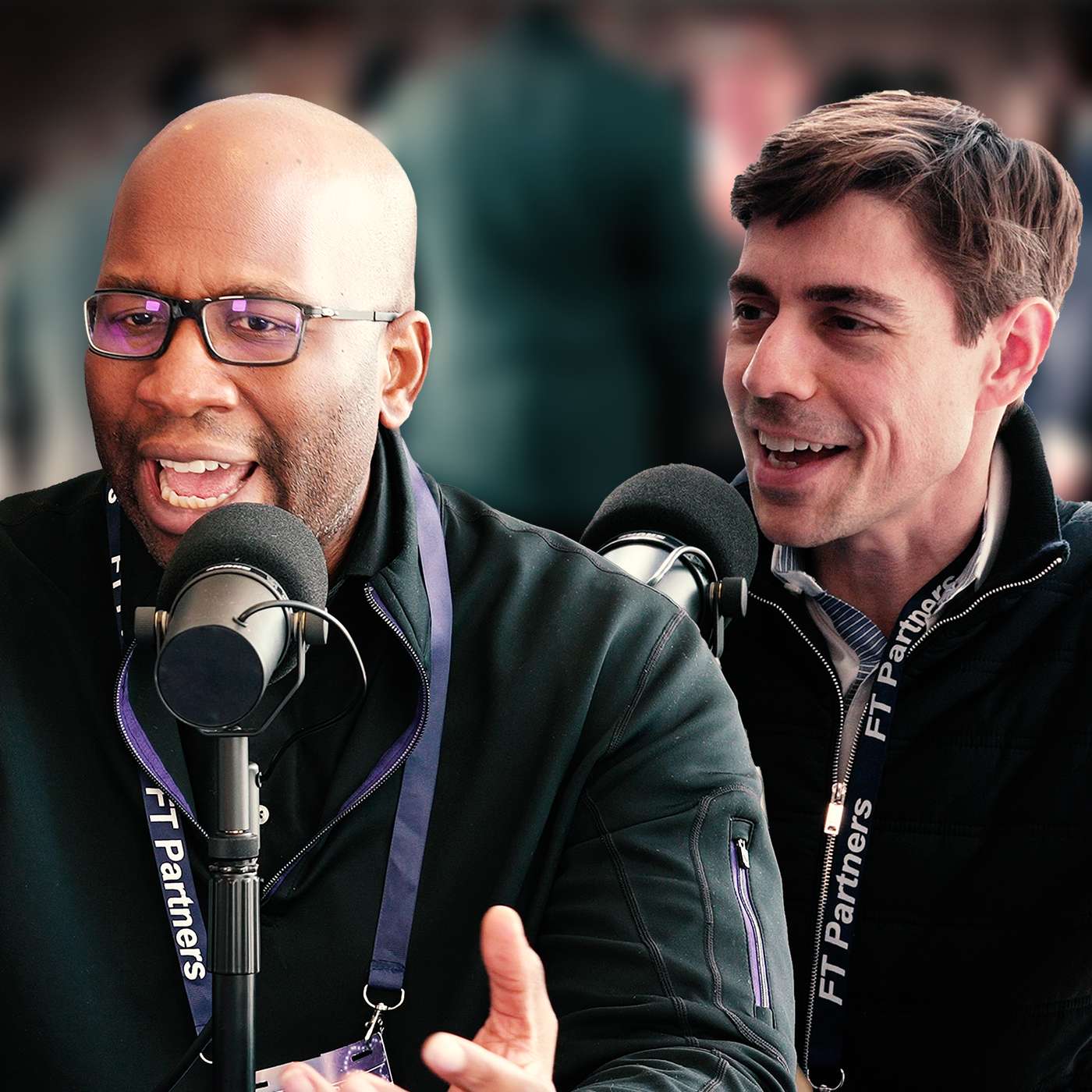
Tackling Africa’s $330 Billion Credit Gap
There is a $330 billion credit gap, according to the IFC. But why is it so hard to lend in African markets? We explore that question with Chijioke Dozie, Co-founder and CEO of Carbon, and Mark Straub, CEO of Smile Identity.This episode was recorded live from the FT Partners Fintech in Africa Summit in New York City. Download their FinTech in Africa research report, published in March 2024.00:00 -
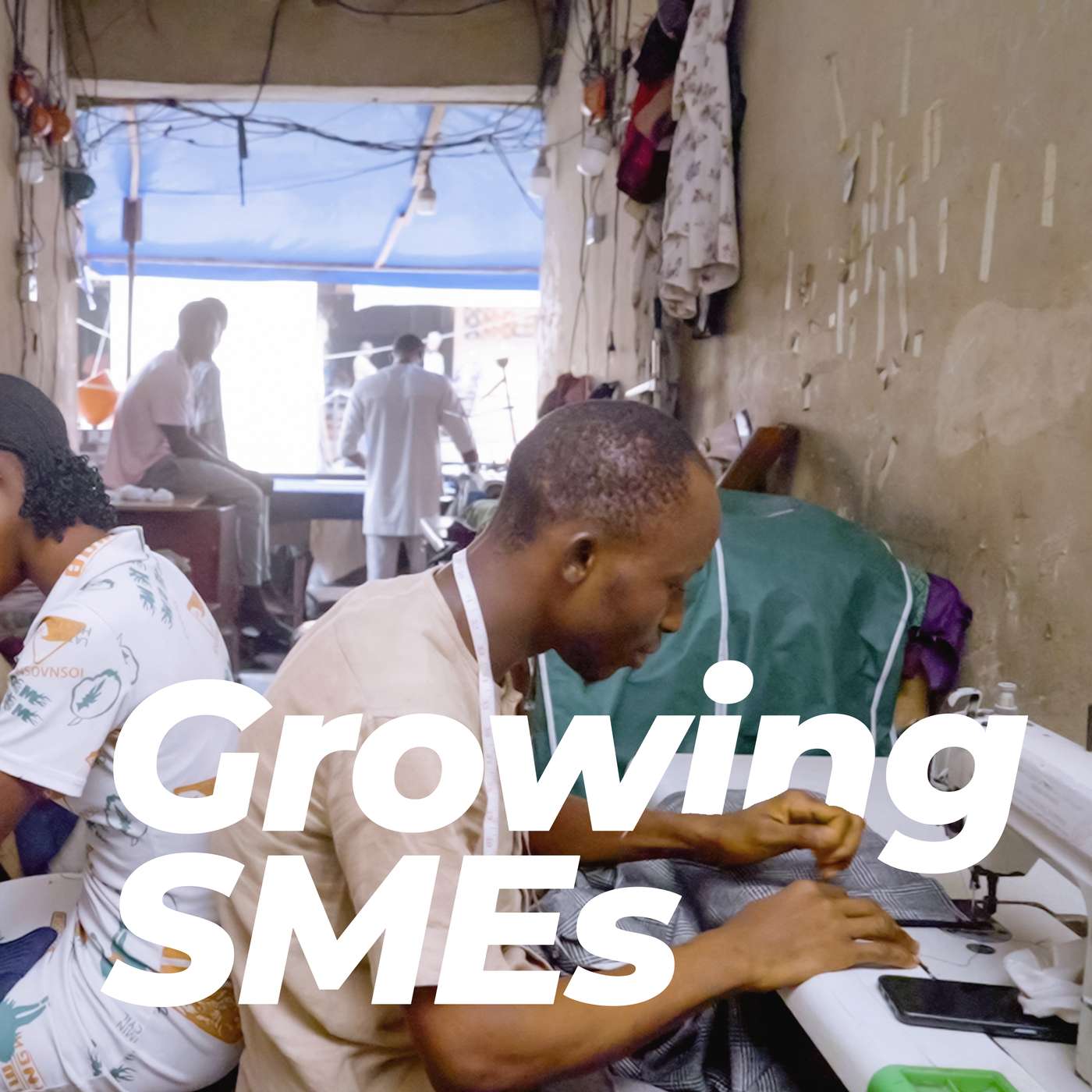
African Small Businesses Have Many Challenges. Can These Platforms Help?
In this episode, the third in our docuseries on jobtech platforms and the future of work, we dive deeper into the value chain, because the problems that small businesses have across the continent are multi-layered. In an environment of demand constraints and a lack of infrastructure, platforms need to solve multiple problems across the value chain. This is what makes jobtech platforms so hard to b

Why Are Cross-Border Payments So Hard?
Benjamin Fernandes, the Founder and CEO of the remittance platform NALA, likes to say that payments are just 1% built in Africa. Why are cross-border payments so hard? In this episode, we're joined in conversation with Benjamin Fernandes and Dan Kleinbaum, a co-founder of Beyonic, which sold to Onafriq, and now the Founder of the FX platform GTXN. This episode was recorded live from the FT Partner

Nigerian Neobank Roundtable: Moniepoint, Kuda, FairMoney
In this episode, we're joined in a panel conversation with the CEOs of three of Nigeria's biggest digital banks: Moniepoint's Tosin Eniolorunda, Kuda's Babs Ogundeyi, and FairMoney's Laurin Hainy.This episode was recorded live from the FT Partners Fintech in Africa Summit in New York City. Download their FinTech in Africa research report, published in March 2024.00:00 - Intro01:18 - Moniepoint's d
The Future of Work Will Be Bootstrapped
In our first episode of this series on jobtech platforms and the future of work, we argued that the future of work is a tech-enabled portfolio of work. But what does a portfolio of work really look like? And what happens next? We know we need to create more formal jobs in Africa, and we need to boost the productivity of the informal sector. But how do we get there? Considering the context of the m
Much Ado About the Media, Live from Lagos
In January 2024, we hosted a live show in Lagos with The Subtext's Osarumen Osamuyi on the relationship between the tech ecosystem and the media. It was a follow-up to a 2020 episode we published entitled Much Ado About the Media.A lot of founders still feel the media is acting in bad faith amidst more accountable media coverage. In this episode, we explore this tension and have an important discu
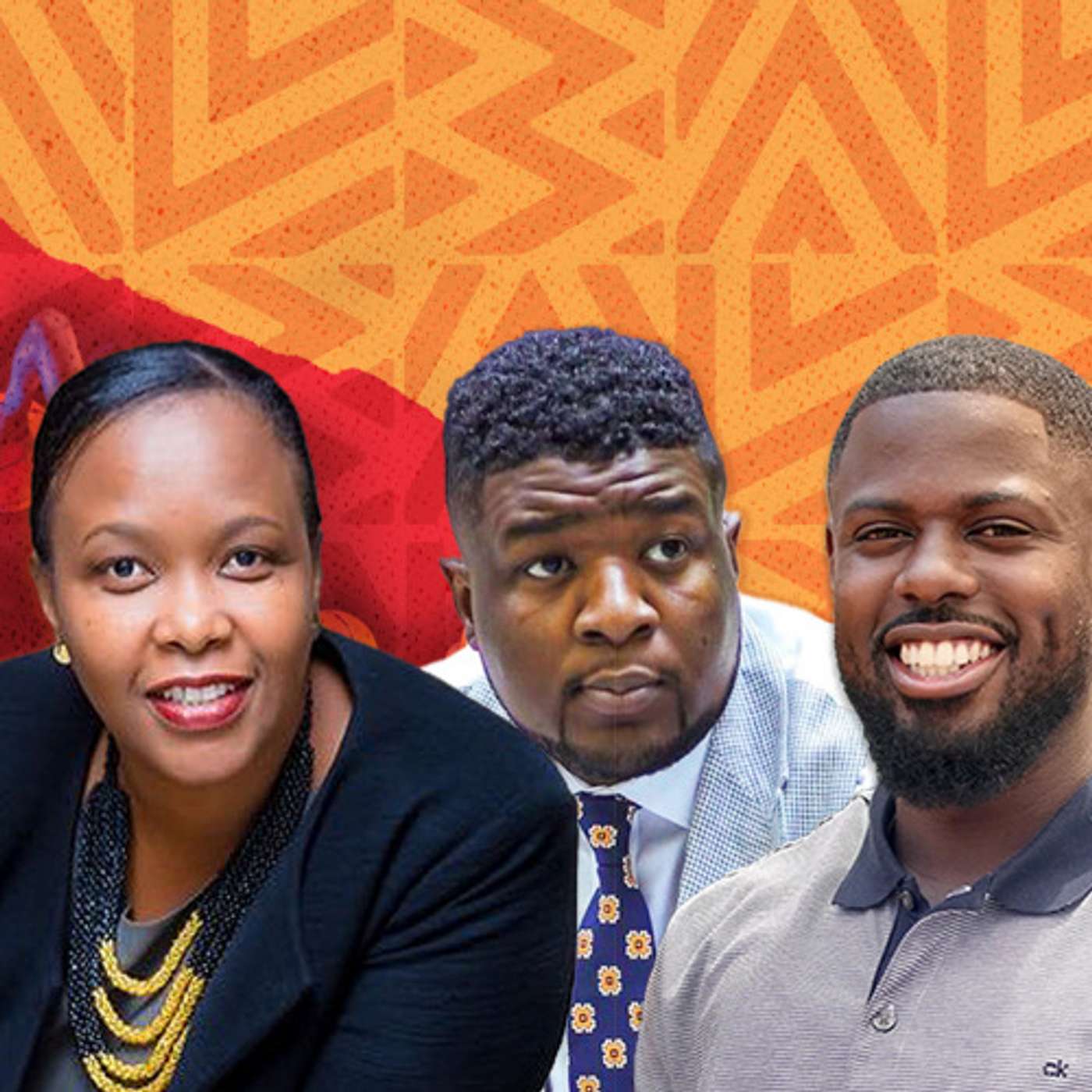
Afrobeats, Basketball & Commerce
Live from the BIG Summit, a platform hosted by investor and 2x NBA All-Star Baron Davis, at the 2024 NBA All-Star Game, a conversation with three operators connecting Africa to the world through culture and commerce. In this conversation, we're joined by Clare Akamanzi, the CEO of NBA Africa, Abdul Karim Abdullah, the Founder and CEO of AfroFuture music festival, and entrepreneur and private equit
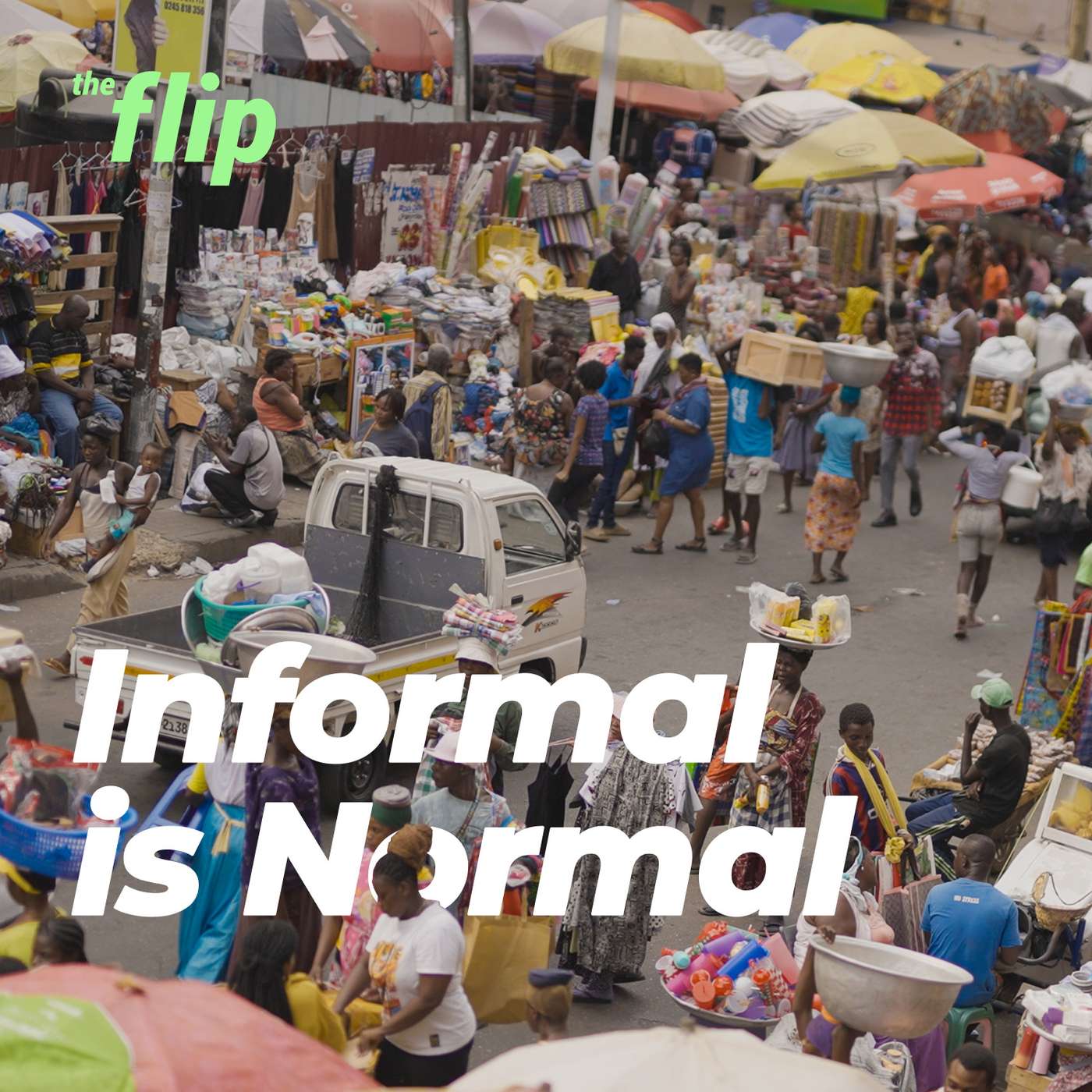
What We Get Wrong About Jobs in Africa
The African continent has the highest levels of poverty, the lowest levels of formal employment, and its population is going to double in the next 30 years. African countries need to create more jobs. But what kinds of jobs? And how? What if I told you that the way governments and development organizations are trying to create jobs in Africa is all wrong? To make a dent in this problem requires a

Unlocking Gender-Smart Capital At Scale (2X Global's Jessica Espinoza)
Despite research showing that female founders outperform their male peers, startups with a solo female founder or an all-female founding team raised a mere 2% of all the funding in Africa last year. There is a huge gender funding gap. How do we close it?This episode is the last episode of a five-episode series on gender lens investing, co-hosted by Eloho Omame, Founding Partner of First Check Afri
The Mastercard Foundation is Investing $150 Million into 20 Gender Lens Funds
Despite research showing that female founders outperform their male peers, startups with a solo female founder or an all-female founding team raised a mere 2% of all the funding in Africa last year. There is a huge gender funding gap. How do we close it?This episode is the fourth of a five-episode series on gender lens investing, co-hosted by Eloho Omame, Founding Partner of First Check Africa, an
Investing in Women is an Economic Imperative (Tokunboh Ishmael, Andreata Muforo)
Despite research showing that female founders outperform their male peers, startups with a solo female founder or an all-female founding team raised a mere 2% of all the funding in Africa last year. There is a huge gender funding gap. How do we close it?This episode is the third of a five-episode series on gender lens investing, co-hosted by Eloho Omame, Founding Partner of First Check Africa, an

This Angel Investor is Closing the Gender Funding Gap (Rising Tide Africa's Yemi Keri)
Despite research showing that female founders outperform their male peers, startups with a solo female founder or an all-female founding team raised a mere 2% of all the funding in Africa last year. There is a huge gender funding gap. How do we close it?This episode is the second of a five-episode series on gender lens investing, co-hosted by Eloho Omame, Founding Partner of First Check Africa, an
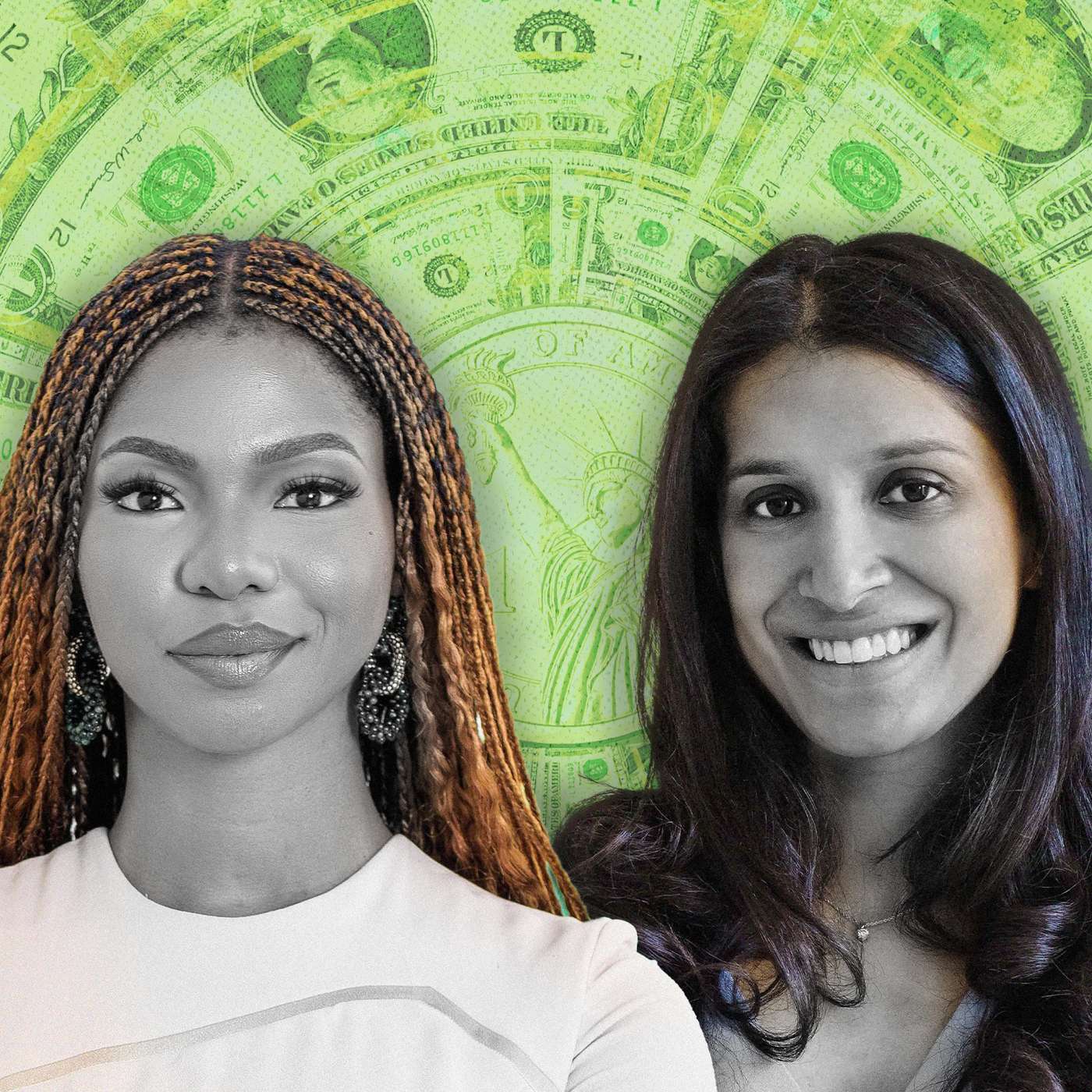
Why is only 2% of funding going to female founders?
Despite research showing that female founders outperform their male peers, startups with a solo female founder or an all-female founding team raised a mere 2% of all the funding in Africa last year. There is a huge gender funding gap. How do we close it?This episode is the first of a five-episode series on gender lens investing, co-hosted by Eloho Omame, Founding Partner of First Check Africa, an

In Conversation with Aigboje Aig-Imoukhuede (Coronation Capital, Access Bank)
Today's guest is Aigboje Aig-Imoukhuede, Chairman of Coronation Capital and former Group MD and CEO of Access Bank. Aigboje is one of the most successful and esteemed businesspeople on the continent. In 2002, he led the acquisition of Access Bank, which under his 11-year leadership grew into the largest bank in Nigeria and one of the largest in Africa.This wide-ranging discussion with the Chairman

Norrsken22: Investing $205 Million into African Startups
Today's guests are Natalie Kolbe, Ngetha Waithaka and Lexi Novitske - Partners of the $205 million growth fund Norrsken22. In this episode, we'll talk about investment strategy, valuations, perspectives for the ecosystem, exits, and much more. 00:00 - Intro00:48 - Norrsken22's $205m fundraise09:36 - Investment strategy & process12:43 - Investing in asset-light marketplaces14:37 - Expansion18:0

How to Pivot with Union54's Perseus Mlambo
Today's guest is Perseus Mlambo, Co-founder and CEO of Union54, the developers of the social commerce app ChitChat. The company started as Zazu, an agtech startup, which pivoted to Zazu the neobank. After issuing virtual cards for their users and seeing the demand other fintechs had for virtual cards, they pivoted to Union54 the card issuing API, which after massive traction in the fintech ecosyst

MTN Nigeria's Adia Sowho: Sharing Is A Must
Today's guest is Adia Sowho, one of the most experienced and thoughtful operators in the African tech ecosystem. After starting her career in consulting and telecommunications, Adia led growth at the digital credit startup Migo, before leading the turnaround as Interim CEO of the embattled agriculture finance company Thrive Agric. In this episode, we'll learn from Adia about her lessons working ac

Ham Serunjogi: How Chipper Cash is Surviving the Slowdown
Today's guest is Ham Serunjogi, the Co-founder and CEO of Chipper Cash.In 2021, Chipper raised $150 million Series C extension, valuing the startup at $2 billion, but has since cut its valuation, reportedly by 70 percent, has engaged in three rounds of layoffs, reducing its headcount by nearly 175 from its peak of 450, and has drastically pulled back from its aggressive growth and expansion strate

Making Borders Matter Less with Onafriq's Dare Okoudjou
Today's guest is Dare Okoudjou, the Founder and CEO of MFS Africa, which this week has rebranded to Onafriq. The new name represents a new chapter in the company, which is a very different looking company than when we first had Dare on the show back in 2020, after their acquisition of Beyonic. Since then, they've also acquired the card issuer, GTP in the US, and the agent network Baxi in Nigeria.

Investing in African Talent with YC's Michael Seibel & Microtraction's Kwamena Afful
Today's guests are Michael Seibel, the Managing Director of Y Combinator, and Kwamena Afful, a Founding Partner of Microtraction. Michael has been an avid supporter of the African tech ecosystem. Since his first trip to Lagos in 2016, and since Paystack joined YC's winter batch earlier that year, the number of African startups that have participated in the global accelerator has grown to 89. And f

Building a $1B Fintech in South Africa with Stitch CEO Kiaan Pillay
Today's guest is Kiaan Pillay, the Co-founder and CEO of Stitch. My conversation with Kiaan comes on the heels of their recent fundraising announcement, a $25 million Series A extension led by the global fintech fund Ribbit Capital, which brings their total funding raised up over $50 million since the launch of the company in 2019.In this episode, we talk to Kiaan about how they've gotten here, th

Olugbenga 'GB' Agboola: Hard-Earned Lessons Building Flutterwave
Today's guest is Olugbenga Agboola, better known as the one and only GB - the Co-founder and CEO of Flutterwave. It's been a trying last year or so for Flutterwave with issues of fraud, allegations of impropriety inside the company, regulatory hurdles, and the general challenges of scaling a fintech in a tough operating environment.Yet through it all, Flutterwave has "technology reach" in 34 count

The Future of Work Won't Look Like a Job
The future of work in the African context is going to be a lot of different things. It mimics the nature of work itself for many individuals on the continent. They're taking this portfolio approach to work. Even in more "developed markets" we're seeing work become less formal and more flexible, as work becomes unbundled from employment. And this evolution of work itself provides a whole set of new
The Role of Big Tech in the Future of Work
There is a perception that there's a tech talent shortage in the African tech ecosystem, and that it's hard to find high-quality local talent. There has been lot of conversation around the impact and role of Big Tech in the equation, which many felt were also culprits in driving up the price of talent in local marketplaces. In an environment of talent scarcity, there's been an upward pressure on s

Stablecoins: Africa's Killer Crypto App
We're dropping one more episode of our new show, crypto@scale, on The Flip's feed today. In this episode, we interview our first guests on what might be Africa's killer crypto app, stablecoins. According to data from Coinmetrics, cumulative Stablecoin volumes are at a $9 trillion annualized run rate, exceeding the volumes of all major card networks, except for Visa. Across the African continent, s

Introducing crypto@scale
We interrupt this season on the future of work to drop a special episode today in The Flip’s feed. Introducing crypto@scale, a new show from The Flip, co-hosted by MFS Africa's Head of Crypto, Gwera Kiwana, and The Flip's Justin Norman.crypto@scale is a pragmatic and hopefully hype-free exploration of the crypto ecosystem across the African continent.If you enjoy this episode, please be sure to su

The Future of Work is Standardization
Where there is fragmentation, informality, and a dearth of infrastructure, there are questions about what the path to formality and standardization will look like. One intriguing answer to that question is conversion franchising, where existing stores are converted into a franchise. In the future of work context, are microenterprises, their owners, and their employees better off as converted franc
The Future of Work is Vertical Platforms
African markets are largely informal. So while our examination of workforce and training programs in the fast few episodes focused on formal and salaried jobs, we know that most Africans aren't going to get these types of jobs. So, our exploration of the future of work needs to span much further than that. Where there are no formal jobs, what does it look like to help stimulate the development of

The Future of Work Needs Training
Throughout this season, we've heard about this disconnect between supply and demand in the labor marketplace. It's often a skills and training issue. Even where there are jobs, there's still this disconnect between demand and supply. But what are we training people for when there are few jobs or income-generating opportunities? In the past few episodes of this season, we've explored the talent net

The Future of Work is Matching
How do we tie interventions - whether traditional education or boot camps or training programs - to job outcomes? As we'll explore in this episode, it requires a demand-led approach and starts with employers. In this episode, we're going to focus on the platforms doing the matching - those that are explicitly working to better connect supply and demand in the job marketplace, to achieve the employ

Building Africa's Outsourcing Industry - A Case Study
What's particularly exciting about remote work is that it's not constrained by the demand from the local market. The jobs can come from anywhere in the world.But it leaves us with a big question: why are global employers looking to hire African talent? And how can African markets take advantage of the opportunity and capture more of these jobs for its citizens?This episode is another case study, o

The Future of Work is Remote
We know that local economies are not going to create enough jobs or income-generating opportunities for such a rapidly growing African population. But at the same time, for countries in the global north whose working-age population is shrinking, where's the labor going to come from?The solution to both of these problems might be the same: remote work. In this episode, we're going to explore three

The Future of Work is Local Jobs - A Case Study
In the first episode of this season, we argued that the future of work is a traditional development playbook. Considering the nature of most African markets today - informal, fragmented, subscale - and considering the fact that most employment comes from the agriculture sector, the traditional development playbook says that development starts by increasing the productivity of the informal sector

The Future of Work Starts with Farming
How are jobs created? While throughout the season we're going to be looking at that question primarily through a technology and innovation lens, in this episode we're going to start by exploring this jobs question through a more traditional development and economics lens. Because as we'll see, though the future of work might be remote work or the creator economy or any other nascent categories, th
Introducing The Flip Season Four: The Future of Work
Introducing The Flip Season Four. African countries will be adding more people to the workforce in the next 10 years than the rest of the world combined. Where are the income-generating opportunities going to come from? All this season, we're exploring the future of work. Thanks to MFS Africa for their sponsorship of the entirety of Season 4 of The Flip.Follow The Flip on Twitter @theflipafrica an

Sabi: Platforming Trade in Africa
Read Sabi: Platforming Trade in Africa on The Flip. We’re trying something new - an audio version of this week's partner edition of The Flip Notes, together with Sabi. Along with narration from The Flip's Justin Norman, you can hear Sabi’s co-founders, Anu Adedoyin Adasolum and Ademola Adesina, tell part of the story in their own words.The Flip Notes Partner Editions are our occasional sponsored d

The Ownership Economy
In this episode, we're going to explore web3 in the African context.The premise of web3 technology, and tools like NFTs, in particular, is that they can and perhaps will create new paradigms and economic models and that these models will have positive implications for creators and fans alike. And we believe that the decentralized and permissionless nature of web3 blockchains and protocols can have
The Creator Economy
African culture and content is taking over the world - from Afrobeats and amapiano, to Nollywood and Netflix originals, to fashion. To what degree can Africans monetize their creativity not only on the continent but globally? To what extent can Africans, as owners of culture and intellectual property, participate in the upside? And if content has been largely an export product, to date, how do *we

From Farm to Table
Food prices are disproportionately expensive in African markets. In some countries, consumers spend 50% or more of their income on food. It's a logistics problem and a retail fragmentation problem, and it's also an agriculture and processing problem. So in this episode, we explore the agriculture and processing value chains on the continent. [04:44] - Lack of processing capabilities is a problem i

Building a Healthier Africa
How can Africans receive greater access to quality healthcare? That's the problem we'll attempt to explain in this episode, and it's a wicked problem.In this episode, we go deep into the healthcare value chain from diagnostics to labs to clinics and pharmacies, to better understand how it all works and how those we speak to in this episode are working to get improved care to Africans across the co
Making Borders Matter Less - A Conversation with Dare Okoudjou
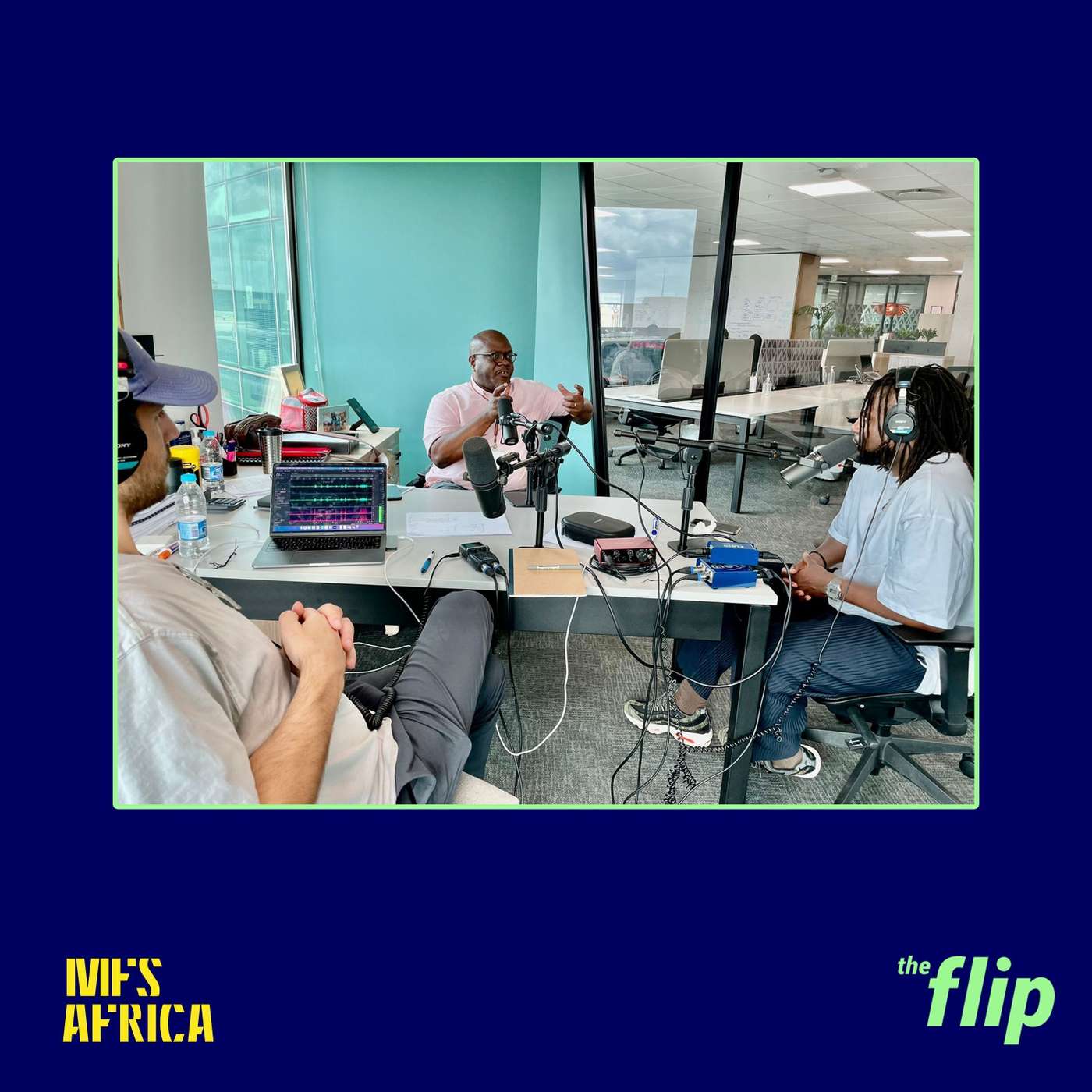
As MFS Africa announces its $100 million Series C, The Flip's Justin Norman and Sayo Folawiyo sit down for a conversation with MFS Africa's Founder and CEO, Dare Okoudjou.[02:34]- First question, on MFS Africa's recent acquisition of Baxi, and their expansion into Nigeria.[05:36] - Why Nigeria? And why now?[09:15] - On MFS Africa's expansion capabilities. [12:49] - Beyond remittances. - on trade c
Problem Solving for Fragmented Retail
As we began our exploration into retail and the so-called B2B commerce platforms, we kept asking about the nature of last-mile retail. Why is it so fragmented? And can we expect retail consolidation? In this episode, we explore why retail looks the way that it does in African markets, and how B2B commerce platforms are working to empower retailers in the context of the way in which last-mile retai
Journey to the Last Mile
As we continue our season on value chains, in this episode, we explore logistics. The cost of goods and food is disproportionately higher in Africa than anywhere else in the world, with consumers in some markets, spending 50% or more of their total income on food alone. A major reason for these high prices is logistics. So how do we fix this? How do we improve the efficiency of logistics on the Af
Africa Stack
This episode concludes our three-part fintech series this season. In the first two episodes, we tackled payments. In this episode, we explore the other layers of the financial services stack - namely, identity and data. Africa Stack is a play on India Stack - India's pioneering platform of open APIs and digital infrastructure that underpins the country's rapid move towards a paperless, cashless, a

Follow the Money, Part Two
In episode one of this season, we explored how money moves within borders in Africa. In this episode, we explore how money moves across them. [01:27] - Africa is the most expensive region in the world to send money to, according to the World Bank's Remittance Prices Worldwide report. [07:26] - Why are there such limited cross-border payment options within Africa?[08:30] - And why is sending money
Follow the Money
We hear a lot, in the African tech ecosystem, that the competition is with cash. Virtually every country in the world is on some form of a journey to move from cash to cashless. Many African markets, however, are quite far on that journey. And to understand how to accelerate this trend on the continent, we first need to understand how money moves.[04:55] - For most Africans, the mobile money exper
Introducing The Flip Season Three
Introducing The Flip Season Three. This season is about value chains - we pop the hood across sectors and take an in-depth look at what's going on underneath.

Middlemen as a Service - A Retrospective with Sayo Folawiyo and Justin Norman
Each episode during our narrative episodes, The Flip's b-mic, Sayo Folawiyo, and founder, Justin Norman, sit down for a retrospective conversation on the topic explored in that episode. However, our current series of conversational episodes explored one theme across the series - digitizing analog and fragmented industries - we opted to have one retrospective conversation that reflects on the entir
Accessible and Affordable EdTech with Eneza Education's Wambura Kimunyu
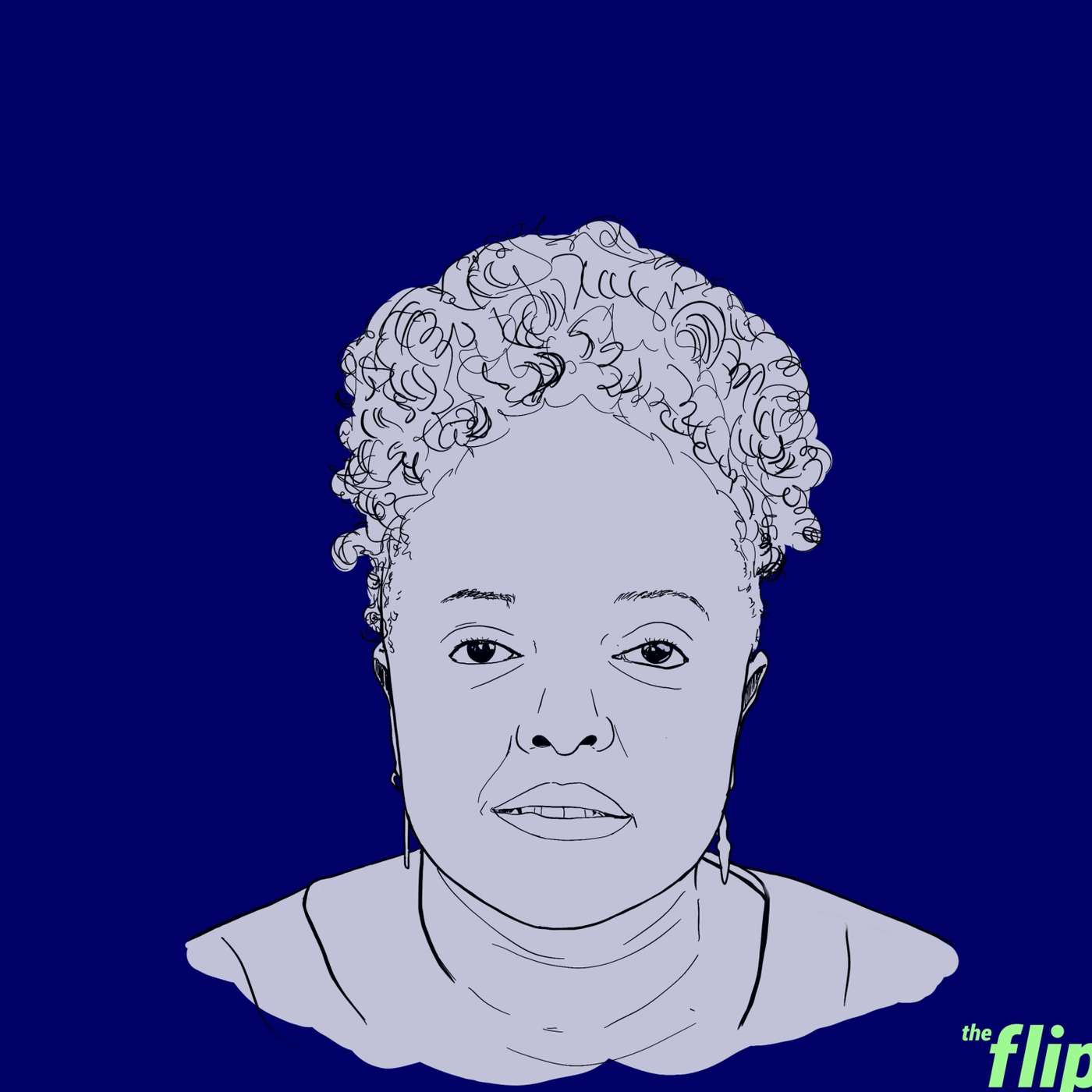
In this episode, we talk edtech with Wambura Kimunyu, the Group CEO of Eneza Education.Throughout the series of episodes, we’re exploring the entrepreneurs in start-ups digitizing informal and fragmented industries on the continent. And for Eneza Education to remain affordable and accessible, it means distributing text-based content to basic mobile phones via SMS, and acquiring customers via radi

Mass-Market Media with StarNews Mobile's Guy Kamgaing
In this episode, we explore entertainment for mass-market consumers in Africa with Guy Kamgaing, the Founder and CEO of StarNews Mobile.Throughout the series of episodes, we're exploring the entrepreneurs in start-ups digitizing informal and fragmented industries on the continent. And in the media space, that means building a product fit for the realities of mass-market consumers. In a world of ab

The Case for Crypto with Bundle's Yele Bademosi
In this episode, we talk about cryptocurrency with the Co-Founder and CEO of Bundle, and the Founding Partner of Microtraction, Yele Bademosi. Beyond trading and price volatility, what is it about crypto that excites Yele and so many others on the continent?Throughout the series of episodes, we're exploring the entrepreneurs in start-ups digitizing informal and fragmented industries on the contine

Digitizing Community Banking with Kwara's Cynthia Wandia
In this episode, we talk about savings and credit cooperative societies, or SACCOs, and the outsize role these member-owned community banks play in African and emerging markets. While millions of Africans belong to SACCOs, it's an industry that Kwara's Cynthia Wandia calls "as analog as it gets". Kwara is a Kenyan startup building software to digitize SACCOs, and in this episode, we talk to Cynth

Fintech for Cash-First Markets with Nomanini's Vahid Monadjem
In this episode, we continue our exploration of the entrepreneurs digitizing informal and analog markets, with Nomanini's Vahid Monadjem. Nomanini is a fintech platform for informal retail merchants in cash-heavy economies, and Vahid, the company's Founder and CEO, believes the best "way to move beyond cash is for us to be really interoperable with it." In this episode, we talk about specializatio

Technology for Informal Trade with MarketForce 360's Tesh Mbaabu
In this episode, we open the black box of last-mile retail distribution with MarketForce 360's Tesh Mbaabu. 90 percent of trade in Africa is informal, and MarketForce's software-as-a-service platform to better manage their field sales agents and distribution. We'll talk about product, the considerations in building products you use at the last mile and the needs of the multinational FMCG companies

Building a Savings Culture with PiggyVest's Odunayo Eweniyi
In this episode, we explore digital savings with PiggyVest's Odunayo Eweniyi. PiggyVest's competition is the wooden box that Nigerians were using to save cash. We'll talk about how the company designed the product to compel mass-market consumers to save digitally; how their use of social media and word of mouth built trust and engendered a savings culture, how Odun think about new products, like c

Insurance-as-a-Service with Lami's Jihan Abass
In this episode, we speak to Jihan Abass, the Founder and CEO of Lami, an insurance-as-a-service startup based in Nairobi, Kenya. Lami's platform enables insurers, banks, and other partners to offer digital and flexible insurance to African consumers. 4:12 – First question: formal insurance penetration in Africa is 3%. What's the problem and how is Lami trying to solve it?6:45 – What does flexibl

Digitizing Healthcare with Helium Health's Goke Olubusi
Our exploration of the entrepreneurs and startups digitizing analog and fragmented industries takes us to Nigeria, for a conversation with Helium Health's Co-founder and CEO Goke Olubusi. Helium's electronic medical records are providing the digital infrastructure for healthcare sectors across Africa, enabling a variety of stakeholders to make data-driven decisions.4:26 - First question: what does

Inside the Stripe Acquisition of Paystack with Shola Akinlade & Matt Henderson
On October 15, 2020, Paystack and Stripe announced the acquisition of the former by the latter, in a deal reported to be worth over $200 million. This marks Stripe's largest acquisition to date and is an incredibly meaningful exit for the African tech ecosystem. To unpack the deal, we spoke to Shola Akinlade, Paystack's Co-founder and CEO, and Matt Henderson, Stripe's Business Lead for Europe, the
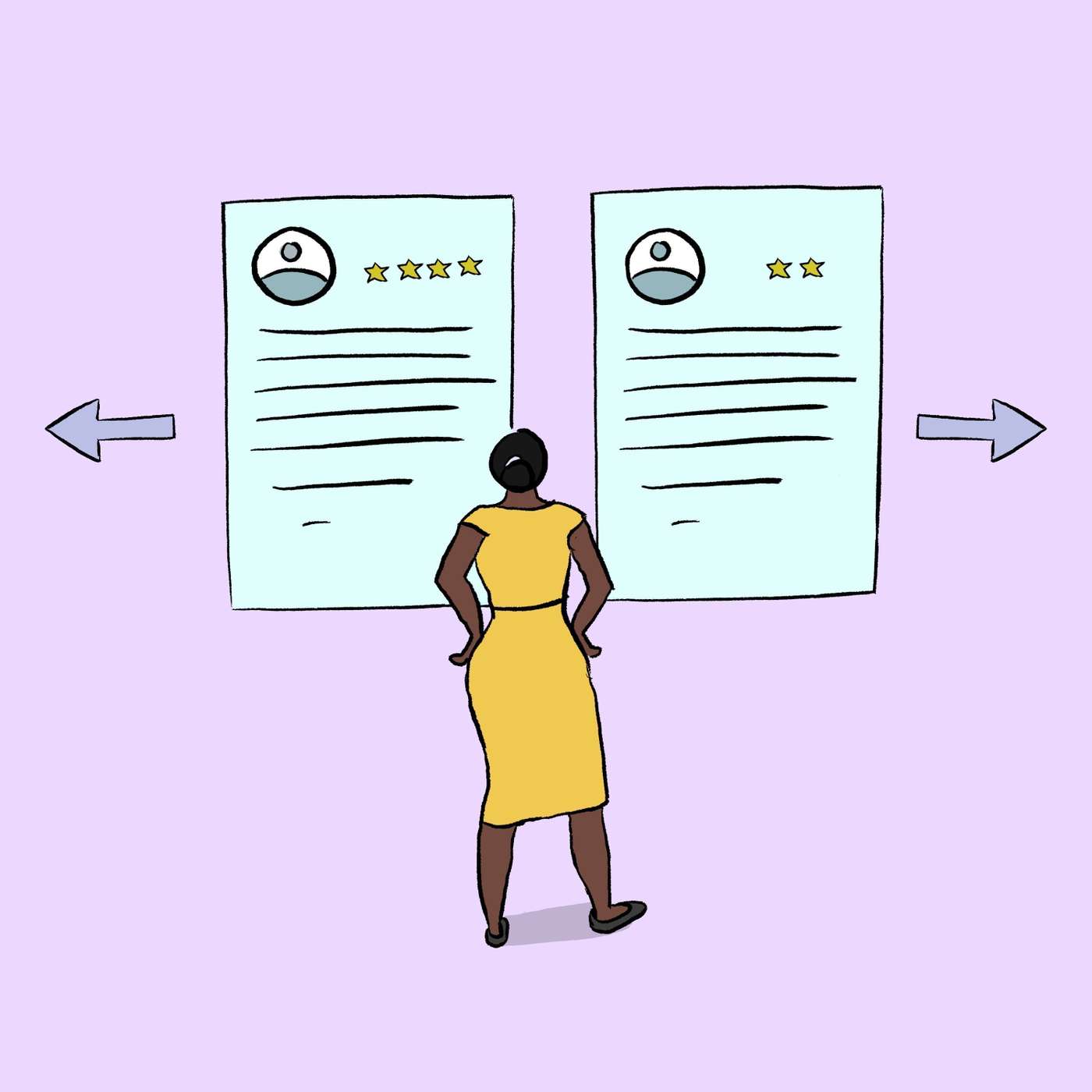
Smart People Should Build Things - On Recruiting and the Global Competition for Top Talent
The very nature of a high-growth startup means that the company is always growing and hiring at a rapid rate. And for African startups, in particular, the talent question is even more acute, given the general challenges of sourcing for select roles, as well as the difficulty in competing for talent with other startups, multinationals, and companies elsewhere in the world. In this episode, we unpac

Much Ado About the Media
In this episode, we explore and unpack the relationship between the tech ecosystem and the media. We'll seek answers to questions such as - what roles do media publications play in the ecosystem? How does this differ between international and local publications? What are the key considerations for the media in doing this work, particularly from a talent and business model perspective? What about c
Recommended

DJ Mixes

PEOPLE NEED COMEDY (PNC)
The Relebogile Mabotja Podcast

The Black Couch Network

Money: It's Not Black or White

ARTdacity
The Anele Podcast

Unpacked with Relebogile Mabotja

947 Drive with Thando

L-Tido Podcast

Growing Up in the Upper Room - New Testament Bible in a year

Engineer Your Life with Lungelo KM
